Showing posts with label # Indoor Plants. Show all posts

Biophilic Design, Connection with Mother Nature

Since the end of the Industrial Revolution, numerous people have started moving their lives outsides. And for the first time in history, more people live in megacities than in country areas. Trapped within towering edifices, things in large metropolitan megacities. We often miss the vital connection to nature that humans are used to. many studies have shown the physical and intellectual benefits of

Biophilic Design, Anmol Interior Kolkata
Forbo Flooring References

incorporating nature back into our day-to-day lives. And the biophilic design is helping to present the natural world to our constructed terrain. Biophilic design is really about bringing the conception of love of life to our constructed terrain. It's a design process that assumes people in nature are connected and not separate from each other. It's a design process that says that rather than coming by and veritably snappily coming up with a design idea that is maybe just based on the program or the function or the latest design trend, they take the time upfront in the project to understand the depth of that community, the culture, the place. They look for cues, they really observe precisely and they pay attention to all the nuances of that place.

Biophilic Design,
City Wealth Hub, Singapore

The design phase really starts before the pencil goes to paper. In fact, it starts before anyone's, even at the table. Because the design phase of biophilic design has to do with the site and the attributes of the site, you'll want to have stakeholders similar as designers, geography engineers, masterminds, chroniclers and naturalists, and biologists that can make sure that the site attributes are incorporated into the constructed terrain. We'll look beyond the site to the setting, the climate, and the bioregion as well so that if we've views of the mountains and could hear an adjoining stream, we keep those in mind. We catalog that as well in the end when the project is done. A metric of a successful project would be that those plants and creatures that enthrall the project site, predevelopment, can enthrall the site.

Biophilic Design, Anmol Interior Kolkata
Indeed Tokyo Office, Designed By Specht Architects 

Regarding materials again that starts on site as well. You will see the stone, you'll see the substrate there, you'll see soil, you'll see the plants, and ideally, the animals there too, if you haven't scared them off. But you will catch colors, and textures and some of these materials can be incorporated into the architecture from a foundation standpoint, a surface standpoint, from a pattern standpoint as well.
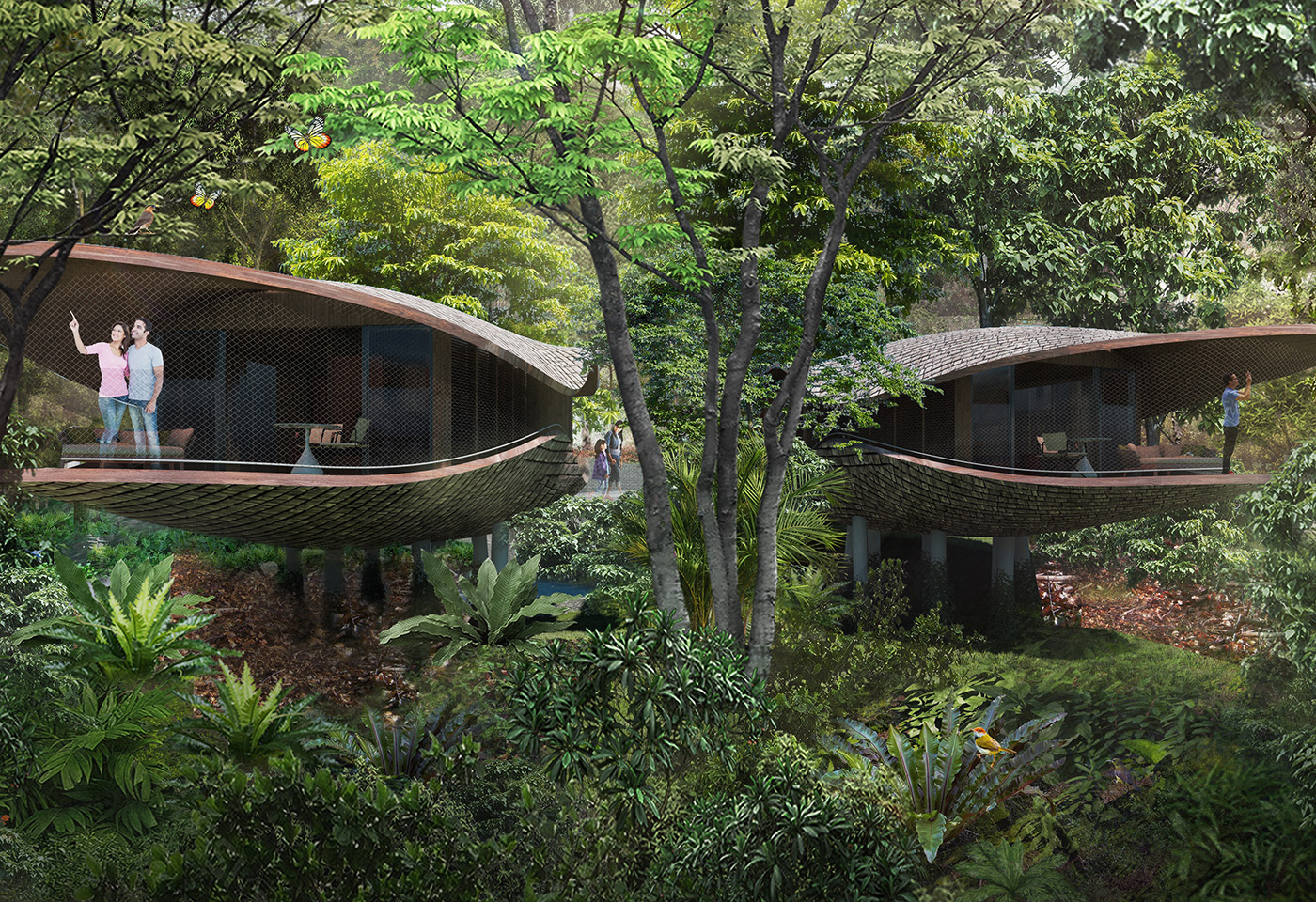
Super Low Energy (SLE) resort in the backyard of its National Singapore Zoo.


 So you'll want to incorporate these textures and these colors and these patterns that you see on-site into the building itself. The materials that the structure is built out of reinforcing the connection to place. 

Wunder Studio On Office Snaps


Moss Wall, A Unique and Design Idea
Terra Design- Staff

The entrance door and hanging roof are very vital in the design, it's an imposing element, and architectural item, and it guides you to the entrance of the building, guides you through the building, and then defines the spaces inside the building, too. In particular, the roof overhangs were designed in a manner that allows us to capture as much of the winter sun as possible and flood that through the building, warming the concrete floor, and putting smiles on

https://aidkol.blogspot.com/
Ceiling Garden

 occupants' faces in the dead of winter. But in the summertime, those same overhangs prevent direct sunlight from hitting the glazing of desert rain. It's almost as if we're sitting beneath a shade tree. In the summertime, a gentle breeze is blowing through even again. 

 From a design perspective, I often use the term authentic when we speak of materials. So while from an authenticity standpoint, we would encourage the use of real wood, not a substitute wood or artificial wood, and that's another way the materials can connect the occupants and the visitors to the place. 

Biophilic design,
Lemon Restaurants, Rashed Abdullah

In designs such as the Lemon Restaurants and Rashed Abdullah, biophilic design is used to celebrate the plants and crafts of indigenous peoples. Using materials and labor from the site can be a great way to reinforce the connections between people and places. During this design process, should have to engage several different consultants, from biologists to ecologists, as well as archaeologists and First Nations consultants. 

aidkol.blogspot.com
Lemon Restaurants, Rashed Abdullah

For a good biophilic design, Architects should work very closely with Permaculture consultants and landscape architects. As a collaborative group, they came up with a strategy for rewilding the ecosystem. One of the critical aspects of this design process was really exploring biophilia and what biophilia meant to the site. This design engaged in multiple biophilia charrettes, and what they really discovered is that biofuels should be realistic about the human senses. The waste of trees like logs was repurposed as part of the architecture, and located those columns inspired by how the trees face the direction of the sun at a specific angle to mimic nature. And to me, that's one of the strongest biophilic elements in the design of the building.

Five air purifying indoor plants to improve health

Now days we can realize that what is the importance of oxygen in our life? We have to have compelled to purchase oxygen from outside in a cylinder to relief from the lunch related and lack of oxygen related problems. But we do know that a tree a full-grown tree I can easily provide as such oxygen that can be easily breathable for four young persons. In the recent situation it is very important for us to make plantation and grow plant not only in our garden, locality, Jungle even inside our house and apartments also. American space agency NASA also recommended air purifying indoor plants to purification of air naturally.


There are lots of plants are there who provides oxygen not only in day time even night also. It is due to special type of photosynthesis system that they have. 


In this category first name is “Aloe Vera”.


Aloe Vera

 Aloe Vera is a very famous name in the plant segment. It has innumerable beneficial properties and in India it has been used from a long time especially in Ayurveda practice. The Aloe Vera plant is an easy to grow, very attractive cactus like plant that makes for a great indoor companion. Everyone knows the beauty application benefits of Aloe Vera. But many of us don’t know that Aloe Vera is a very popular air purifier indoor plant also. It sucks the CO2 gas and Toxic Formaldehyde from our rooms and provides most wanted oxygen every time. It also help to reduce anxiety and provide sound sleep relaxation.


Where to place the plant:

Aloe Vera needs bright and partial sunlight to grow faster. So we should place Aloe Vera plant to full or partial exposure sunlight places like balcony, wind side and places where regular basis sunlight reaches.


Snake Plant

 Dracaena trifasciata, generally known as the snake plant, is one of the most popular and hardy species of houseplants. The plant features stiff, plant- suchlike leaves and can range anywhere from six inches to eight feet height. Snake plants can vary in color although numerous have green-barred leaves and generally feature a yellow border. These plants are easy to grow and, in numerous cases, are nearly imperishable. The plant features stiff, sword-shape leaves and can range anywhere from six inches to eight feet height. Snake plant can vary in color although numerous have green- striped leaves and generally feature a yellow border.


Snake plant is such kind of plant which release oxygen in highest level in night. It also sucks formaldehyde which comes out from AC s. It also controls air born allergic elements and it also controls the humidity level of a room. For new gardeners snake plant is the ideal choice to grow easy and carelessly.


Where to place the plant: 

Snake plant can grow easily in defused and direct sun light. So you can put it on dining table, Corner of rooms, wash rooms and even balcony also. 


Rubber Plant. 

Looking for a compact, low-maintenance, tropical-looking houseplant? You can't go wrong with the baby rubber plant. 

If you asking for a plant of easy maintenance bonsai look indoor plant I will recommend you baby rubber plant. It is evergreen tropical plant and indoor grow up to 3m height. It is not an expensive plant. It can be growing easily and the plant has air purification properties as well as it has anti-inflammatory properties also. Put one baby rubber plant on the top of Tv unit and see the regular changes of the interior. 


Where to place the plant: 

Rubber plant can grow easily in defused and direct sun light. So you can put it on dining table, Corner of rooms, wash rooms and even balcony also. 


String of Perl 

String of Perl is a delightful house plant with fragile leaves formed like peas/pearl strings around ¼ inch in breadth. The leaves develop on following stems that smoothly spill over the sides of grower and hanging bushels similar as the series of rubies succulent. Mainly found in South Africa. The plant develops from feeble surface roots, creating following stems up to three feet in length on the ground which can root where they contact soil to frame thick mats.


The string of pearls indoor air purifier. Indoor air contamination is one of the central issues that might cause asthma, wooziness, weariness, sickness, and loss of concentration. Be that as it may, string pearl plants add excellence to the indoor climate as well as purging the air and eliminating poisons.


Where to place the plant: 

String of pearl plants do not like direct sunlight and they will get scorched. In spite of direct sunlight , this plant needs a lot of bright light throughout the year.


Peace lilies 

Peace lilies are tropical, evergreen plants that flourish with the timberland floor, where they get dappled daylight and steady dampness and moistness. The peace lily is a flowering tropical plant having huge, shiny, oval leaves. Peace lilies are by and large developed as pruned houseplants but also gowned in garden with plenty of shade from direct sunlight and must be moist areas. The Peace lily's importance is related with compassion, mending, freshness, immaculateness, and — normally — harmony. The plant is regularly given as a gift to the people who have lost a friend or family member.


 Where to place the plant: 

Peace lilies indoor need a touch more filtered sunlight. Dining place or Living area beside the large windows are the perfect position for this plant.


Services for Home Cleaning - Diwali Cleaning Advice for a Sparkling Home

A yearly tradition for the entire family, Diwali house cleaning goes hand in hand with lighting diyas and exchanging sweets. So, for your co...